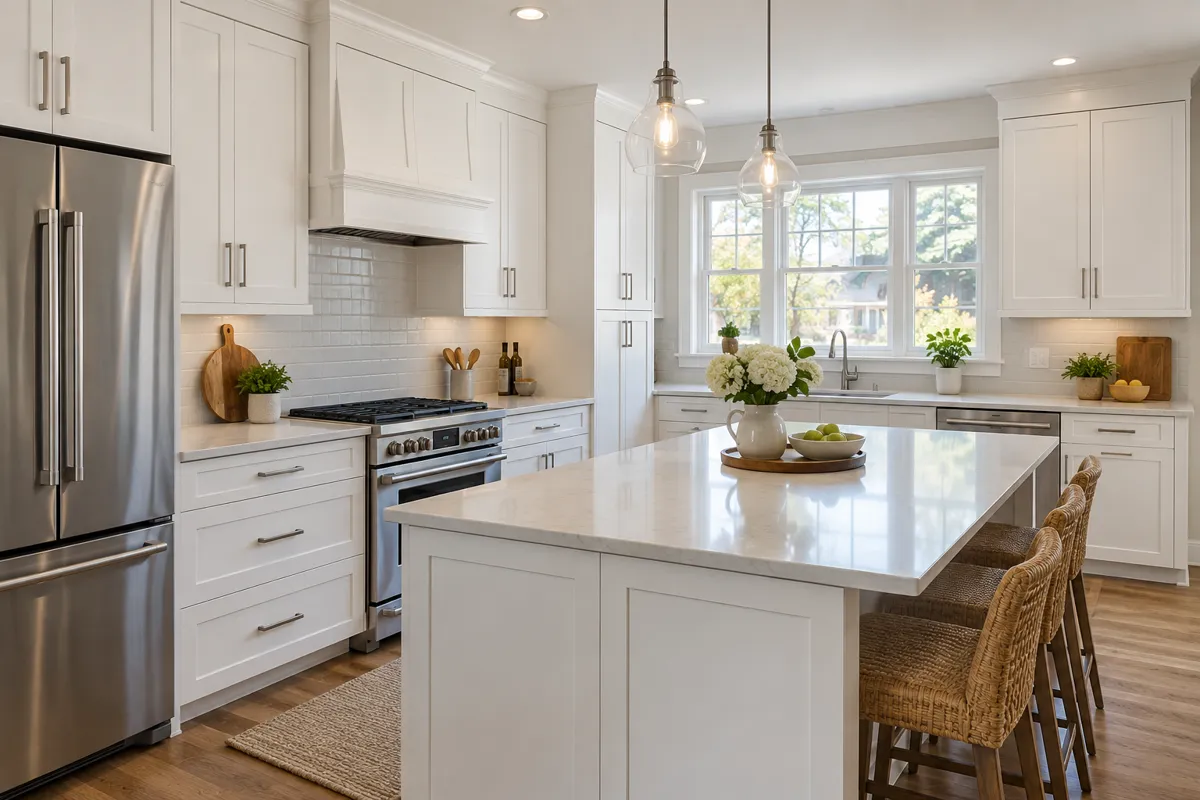
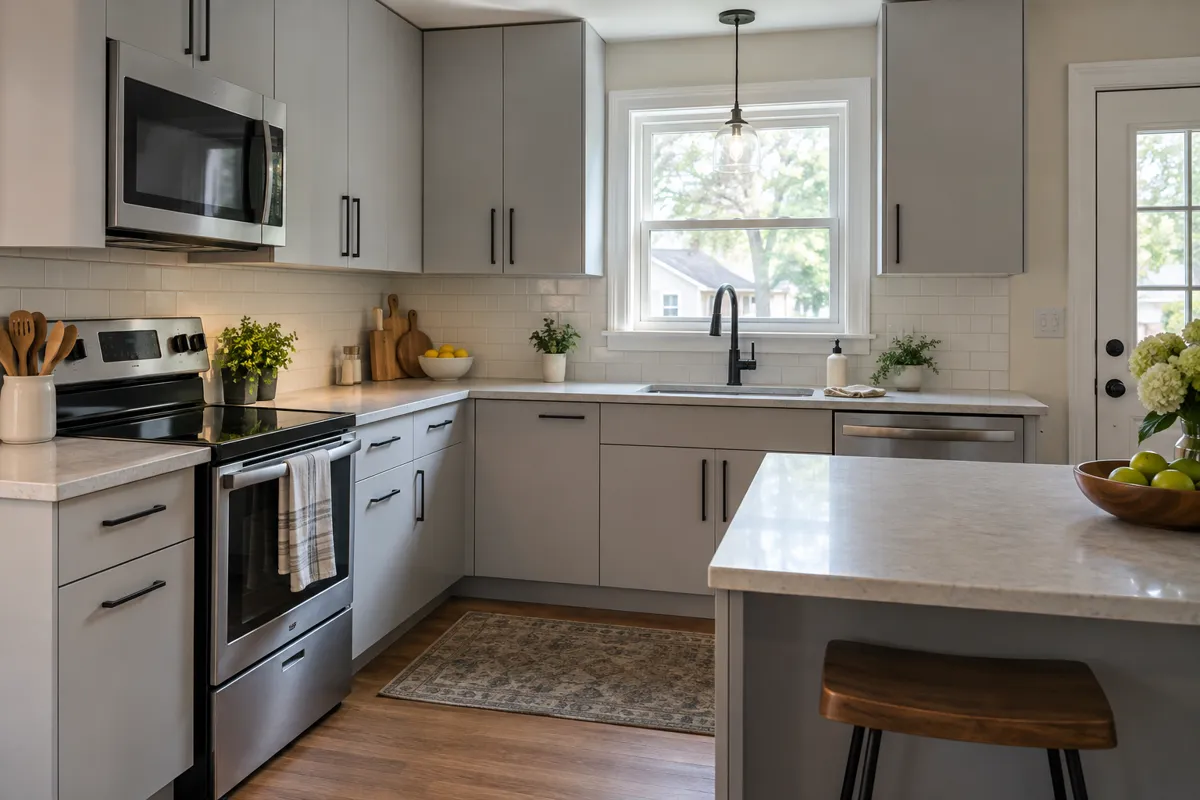
Refacing changes every surface you see and touch
while leaving the cabinet boxes exactly where they
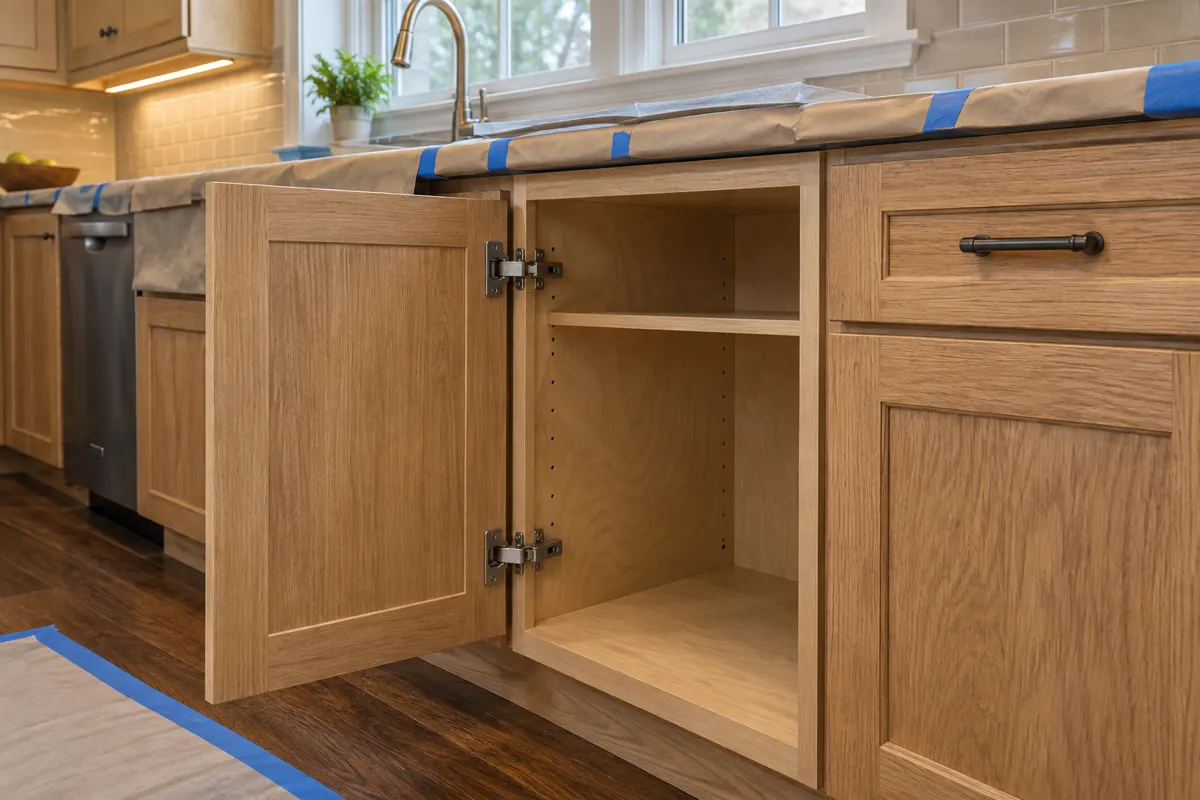
are. Your face frames — the flat wood frame around
the front of each cabinet opening — are covered
with a matching skin, while the old doors and
drawer fronts are removed and replaced.
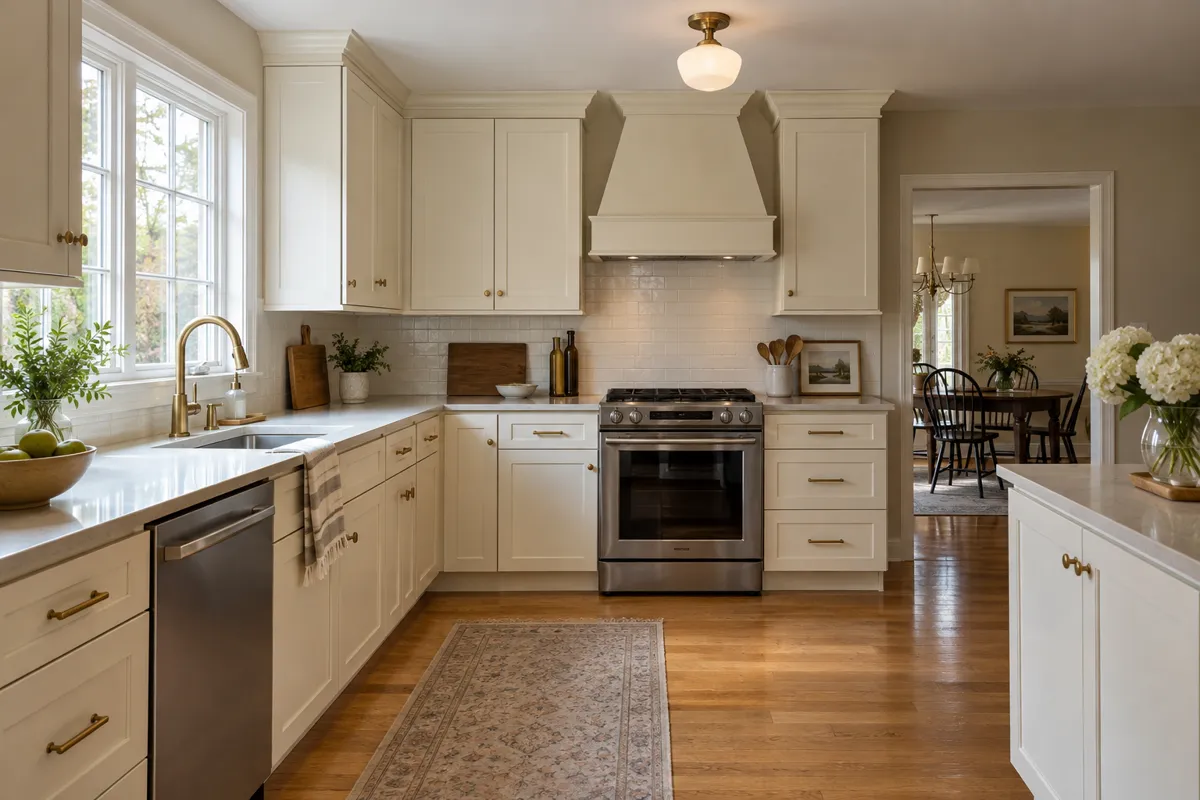
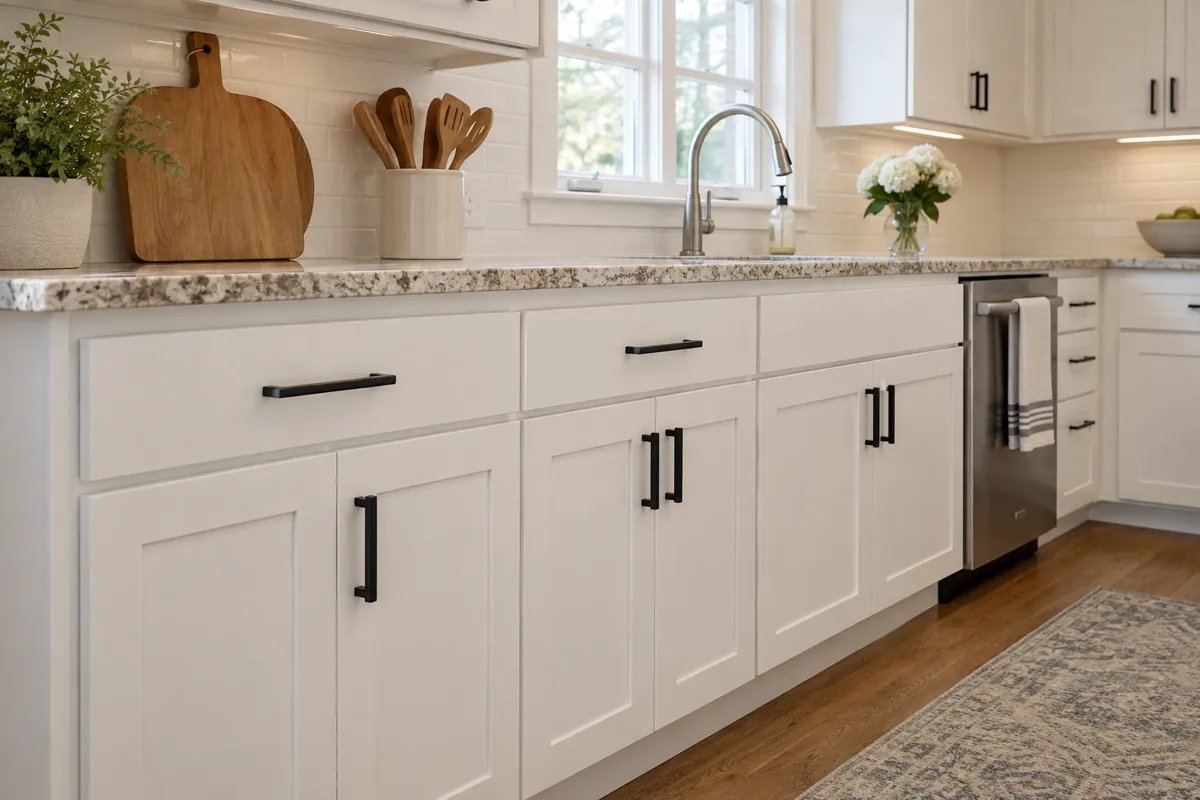
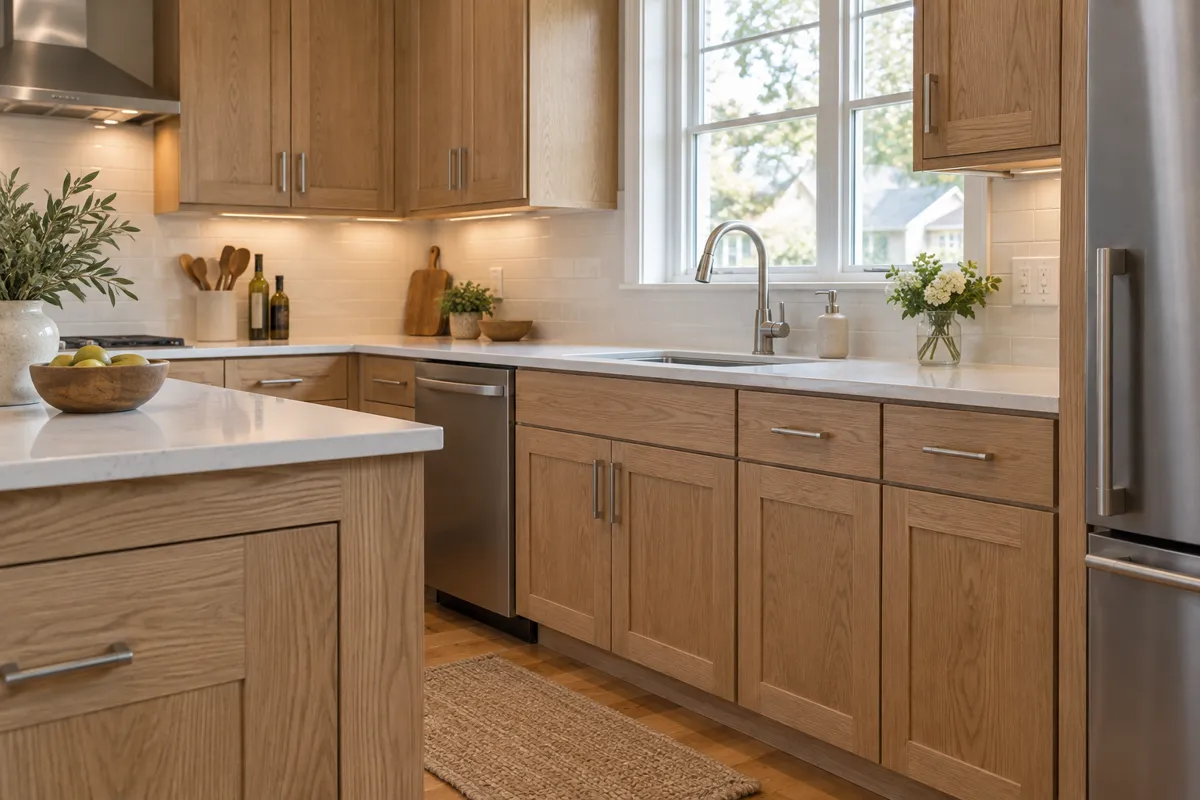
The result reads as a brand-new kitchen: the same
footprint and cabinet structure, but with a new
door style, new finish, new cabinet hardware, and
often new soft-close hinges.
Refacing only makes sense when the existing cabinet
boxes are sound. Before quoting the project, we
inspect the cabinet structure for moisture damage,
swelling, racking, and boxes that are no longer
square. A damaged box should be replaced rather
than hidden beneath a new finish.
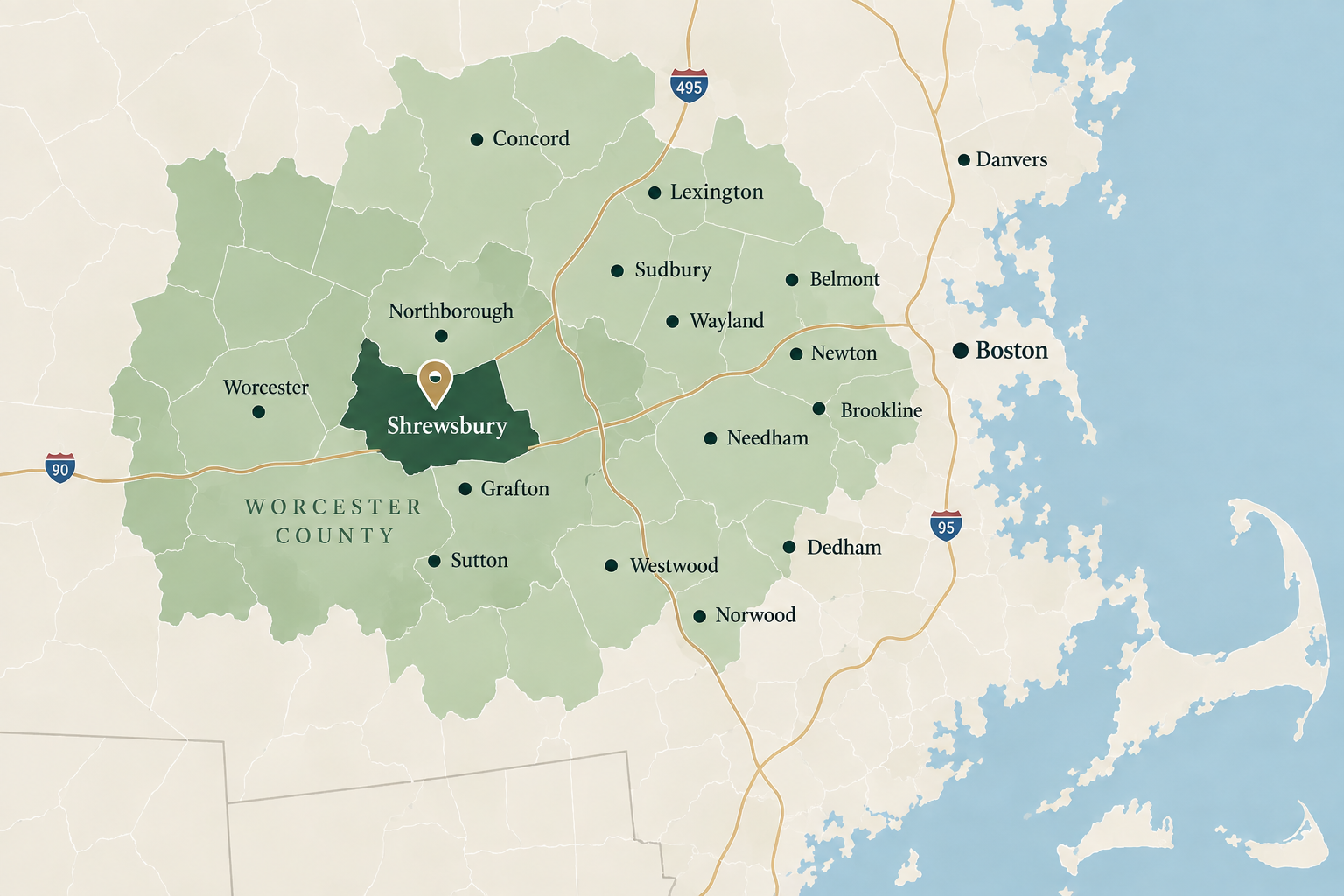
For many Shrewsbury kitchens from the 1970s and
1980s, the cabinet boxes can still be structurally
solid even when the doors, hardware, and finishes
look dated. That's where refacing makes sense:
keep the structure that still works and replace
the visible finish that doesn't.
When Refacing Is Not Enough
If the kitchen layout genuinely doesn't work,
or you need to move walls, plumbing, or the
sink location, refacing isn't the right tool —
and we'll tell you that during the estimate.


 Premium Finish