Millis Permit Planning
Wetland Proximity and the Conservation Commission Filing Requirement
The Charles River corridor runs through Millis, and the Conservation Commission's jurisdiction follows it. Any work within 100 feet of a wetland resource area, or within 200 feet of a perennial river or stream, requires a filing before work begins. Millis extends local flood-zone protections to the 0.2 percent FEMA flood zone, which is broader than the federal baseline. That means projects that appear to be well back from the water can still fall inside a regulated buffer. A deck addition or exterior grading change that ignores this adds weeks to a timeline and can require rework. Identifying the applicable buffers is part of how we scope any exterior project in this town.
Freeze-Thaw Footing Depth and Older Millis Construction
The Massachusetts State Building Code sets frost-line depth at 48 inches in this part of the state, and Norfolk County's freeze-thaw cycling between November and March is genuine, not a technicality. For deck footings, foundation repairs, and any flatwork attached to the house, shallow footings that held for decades can begin to fail as the soil moves seasonally. When older Millis homes show cracked stoops, settled deck piers, or doors that have drifted out of square, freeze-thaw movement is often the mechanism. Correct footing depth is the minimum that holds through a New England winter, and we account for it on every applicable project before a written estimate is issued.
Painting & Wallpaper
Tile & Carpet
Cabinet Refacing
Accessory Structures ≤ 200 Sq. Ft.
Fences Up to 7 Ft.
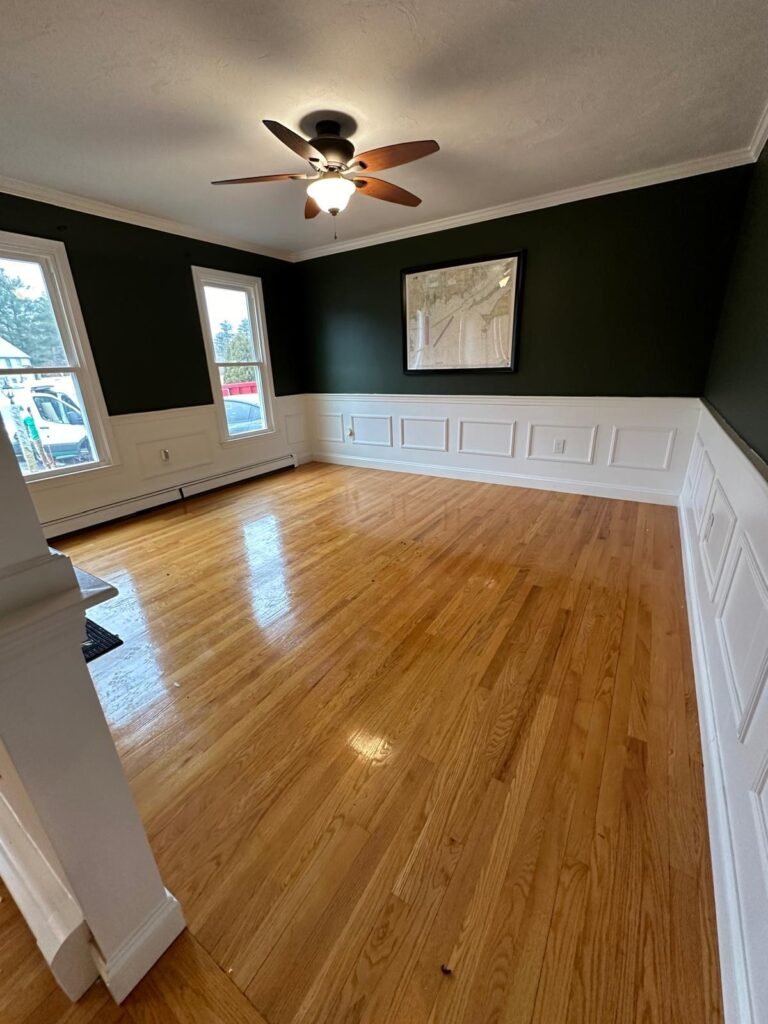
Cosmetic Interior Finish Work
Included in Project Planning
We manage the permit process on your behalf through Millis Building Inspection, accessible at millisma.gov, covering structural, electrical, plumbing, gas, and related work. If your project involves exterior work near the Charles River or any wetland buffer, we identify the applicable Conservation Commission filing requirement during the estimate walkthrough so the full approval sequence is clear before any work is scheduled. Nothing moves ahead of required approvals, and you are not tracking paperwork while the project is in motion.