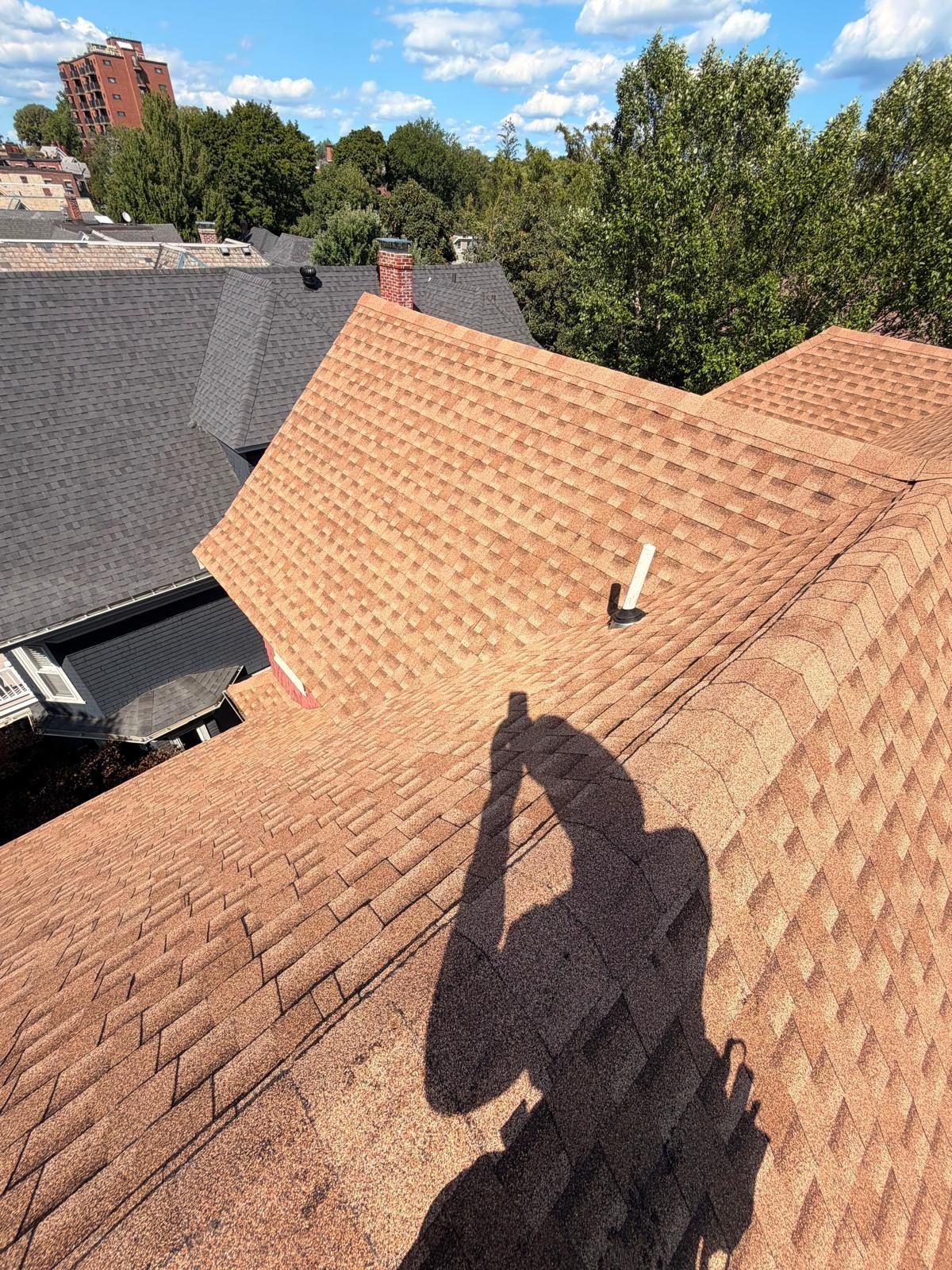
The housing stock here tells the story plainly. Shrewsbury's median home was built in the late 1970s, and a roof that age is often on its second covering with the original flashing still underneath. Older pre-1940s construction, still a meaningful share of town inventory, rarely has the attic ventilation that modern energy code now requires. That gap matters directly to a roof inspection: heat escaping a poorly ventilated attic melts roof snow, the meltwater refreezes at the cold eaves, and an ice dam forces water under the shingles into walls and ceilings.
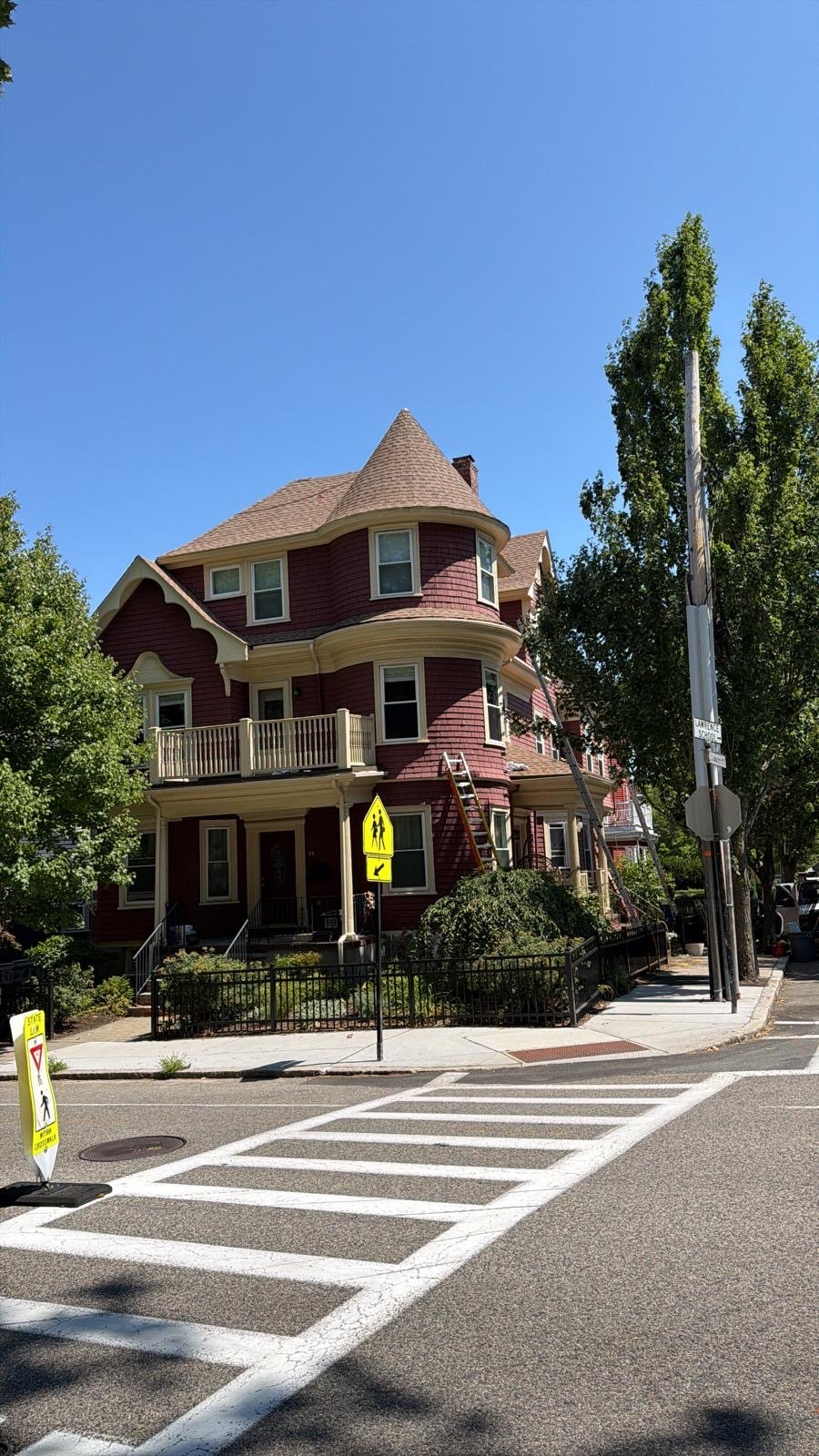
Homeowners across Shrewsbury's Colonial Revivals, raised ranches, and Cape Cods on loop streets and cul-de-sacs are the primary people we work with. Real estate buyers, sellers, and property managers call us too. The entry point is often a pending sale, a post-storm insurance question, or a simple gut-check on how many winters the roof has left. A licensed roofing contractor who reads a roof against IRC provisions and manufacturer installation requirements, not just visual impression, produces a report you can hand to a buyer or an adjuster. That is the difference.
What the Inspection Covers
Full visual survey of every roof plane, flashing and penetration check, attic moisture and ventilation check, and a written photo report with severity ratings and repair recommendations referenced against IRC and NRCA guidelines.


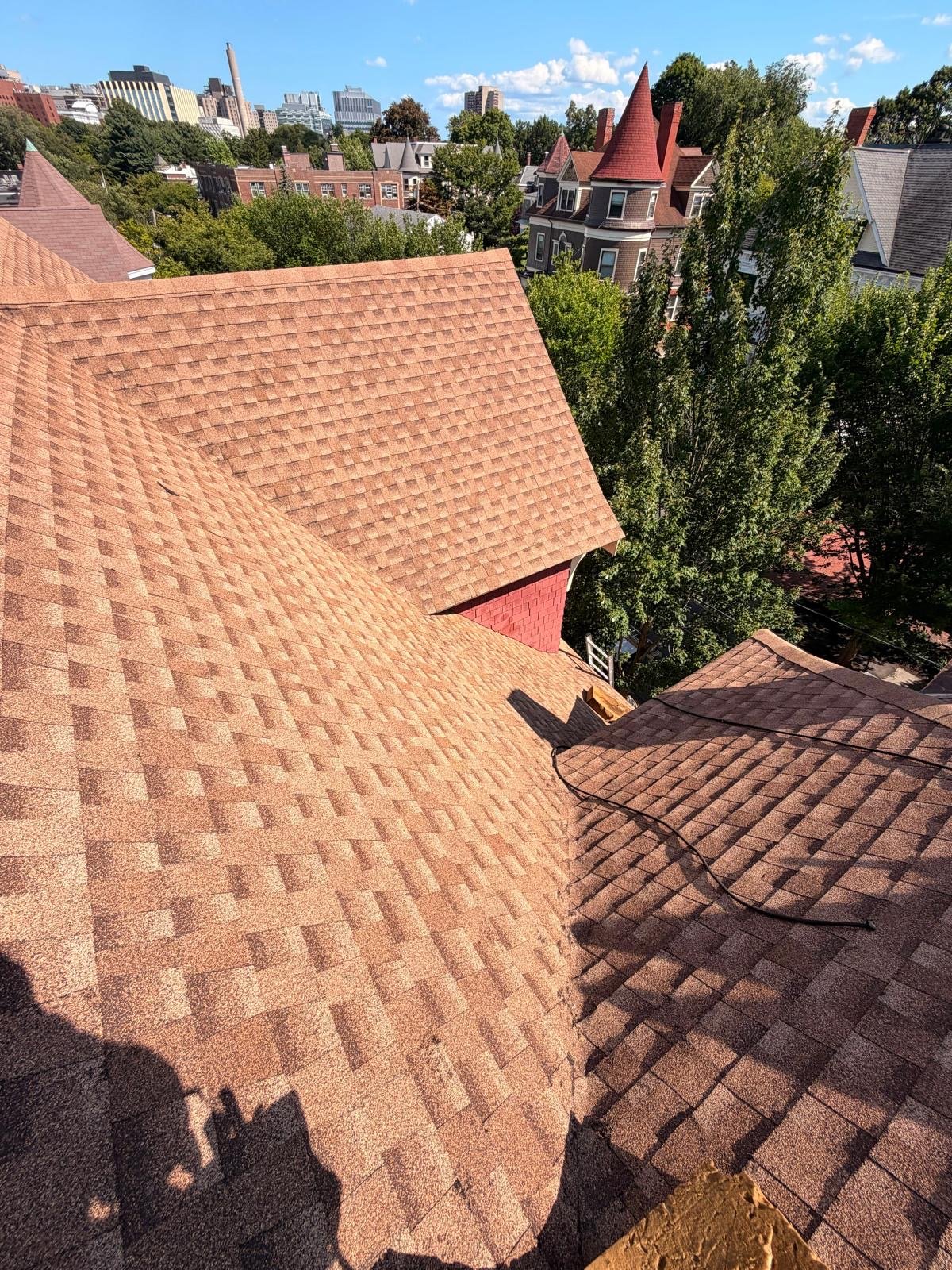
 Full Plane Survey